
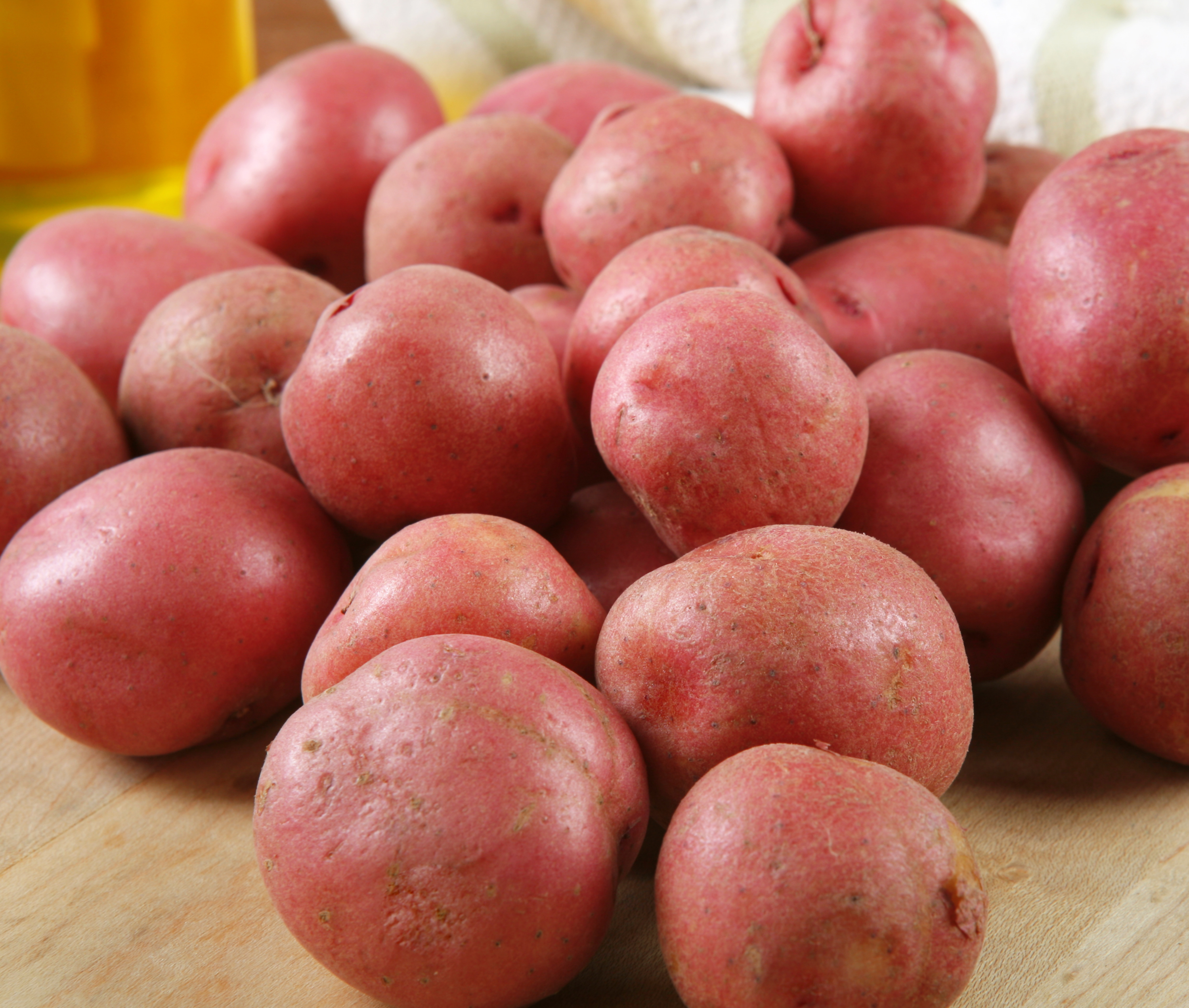
Red potatoes are a versatile and nutritious food that can be incorporated into a variety of dishes. To understand their caloric content, calories in red potatoes it’s important to break down the nutritional aspects of red potatoes and their role in a balanced diet.
A medium-sized red potato, typically weighing around 150 grams, contains approximately 130 to 150 calories. The primary source of these calories is carbohydrates, which provide the body with energy. Each medium potato contains about 30 grams of carbohydrates, including both starch and dietary fiber. Starch is a type of carbohydrate that provides a quick source of energy, while dietary fiber contributes to digestive health by promoting regular bowel movements and helping to maintain a feeling of fullness.
In addition to carbohydrates, red potatoes offer a modest amount of protein. A medium red potato contains about 3 grams of protein. While potatoes are not a complete protein source on their own, they can contribute to the overall protein intake when part of a varied diet. Protein is essential for muscle repair, growth, and various bodily functions.
Red potatoes are low in fat, with only about 0.2 grams of fat per medium potato. This makes them a heart-healthy choice, as they are free from saturated fats and cholesterol. The low fat content contributes to their overall low-calorie profile, making red potatoes a good option for those managing their fat intake or looking to maintain a healthy weight.
One of the notable aspects of red potatoes is their vitamin and mineral content. They are a good source of several essential nutrients, including vitamin C, vitamin B6, and potassium. A medium red potato provides about 30% of the daily recommended intake of vitamin C, an antioxidant that supports the immune system, aids in the absorption of iron, and promotes healthy skin. Vitamin B6, which is present in red potatoes, is important for brain health and the production of neurotransmitters. Additionally, red potatoes contain around 10% of the daily recommended intake of potassium, a mineral that helps regulate blood pressure, balance fluids, and support proper muscle and nerve function.
The skin of red potatoes is particularly rich in nutrients and fiber. Eating the skin can increase the overall fiber content of the meal, which is beneficial for digestive health and can help in controlling blood sugar levels. The skin also contains additional vitamins and minerals, including antioxidants that can help protect the body from oxidative stress and inflammation.
When preparing red potatoes, the method of cooking can influence their caloric and nutritional content. Boiling or baking red potatoes without added fats is a lower-calorie option compared to frying them, which can significantly increase the calorie count due to the absorption of oil. Additionally, toppings and seasonings, such as butter, sour cream, or cheese, can add extra calories and fat, impacting the overall nutritional profile of the dish.
In summary, red potatoes are a nutritious food that provides a substantial amount of carbohydrates, a small amount of protein, and minimal fat. They are rich in essential vitamins and minerals, including vitamin C, vitamin B6, and potassium. With their low-calorie content, red potatoes can be a valuable addition to a balanced diet when prepared in a healthy manner. Understanding their caloric content and nutritional benefits can help in making informed dietary choices and incorporating red potatoes into a variety of meals.